Quran Classes for Toddlers: A Fun Start to Quran Learning
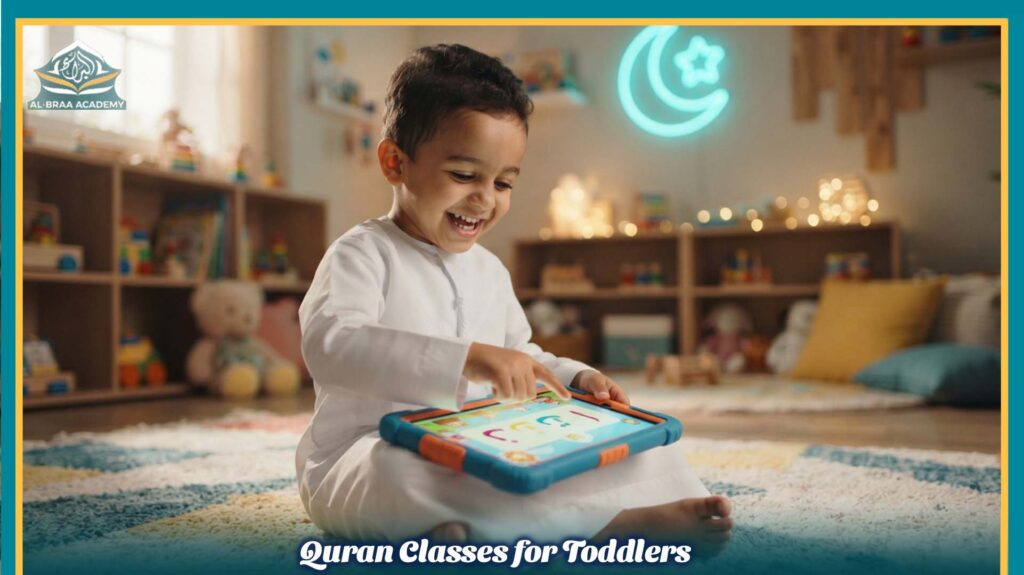
Quran Classes for Toddlers can introduce young children to the Quran, Arabic, Islamic manners, and a love for learning in a gentle and age-appropriate way. At the toddler stage, children learn differently from older students. They respond better to short activities, repetition, stories, visual materials, encouragement, and friendly interaction than to long explanations or demanding assignments. For parents, choosing an early Quran program involves more than asking how many surahs a child can memorize. The quality of the experience matters just as much. A suitable program should respect the child’s age, attention span, personality, and current abilities. It should also create an environment where mistakes are treated as a normal part of learning. At Al Braa Quran Academy, the learning experience can be structured around these principles. Children from approximately three to six years old can gradually become familiar with Arabic letters, Quranic sounds, short surahs, simple duas, selected stories of the Prophets, Islamic manners, and basic Tajweed skills. The purpose is not to rush young learners through a difficult curriculum. Instead, the focus should be on building a strong and positive foundation that can support their Quran journey as they grow. This guide explains what parents should look for in an early Quran program, how lessons can change according to age, which teaching methods can keep young children engaged, and what families can do at home to make learning easier. Why Quran Classes for Toddlers Matter? The early years provide an excellent opportunity to introduce children to familiar sounds, words, routines, and values. Young learners may not understand the complete meaning of every verse, but regular exposure can help them become comfortable with Quranic recitation and Arabic pronunciation. A child who regularly hears Quran recitation may gradually recognize familiar verses and sounds. Simple duas can also become part of everyday life when parents and teachers introduce them through repetition and practical situations. At the same time, early education should remain free from unnecessary pressure. Toddlers naturally have short attention spans, and their learning abilities can differ greatly. One child may happily repeat a verse several times, while another may respond more positively to pictures, movement, or a short story. For that reason, flexibility is essential. A thoughtful teacher knows when to repeat an activity, when to introduce something different, and when the child needs a short pause. Such an approach helps children see Quran learning as a positive experience instead of an obligation they fear. Familiarity also matters. When children encounter Quranic learning in a warm environment from an early age, they can gradually become more comfortable with recitation and basic Islamic concepts. Later, when they begin more structured reading, memorization, or Tajweed study, that early confidence can provide a useful foundation. Start Your Quran Journey With Al Braa Quran Academy Today If you are ready to begin a meaningful journey with the Holy Quran, Al Braa Quran Academy is here to guide you step by step. Our qualified teachers help you improve your Quran recitation, understand Tajweed rules, and build strong confidence in reading the Quran correctly. Moreover, you can join flexible online classes designed to suit all ages and learning levels. As a result, you can learn at your own pace while maintaining consistency and focus. In addition, our structured lessons ensure steady progress and a clear understanding. Start today and take the first step toward mastering Quran reading with clarity, consistency, and a strong spiritual connection. What Do Children Learn in Quran Classes for Toddlers? A toddler does not need an advanced academic curriculum. Too much information at once can make the learning process confusing and tiring. Instead, the program should concentrate on a limited number of meaningful skills. Depending on age and readiness, children may begin with: Recognizing Arabic letters. Listening to correct Quranic pronunciation. Repeating individual Arabic sounds. Memorizing very short surahs. Learning simple daily duas. Becoming familiar with selected names of Allah. Listening to age-appropriate stories about the Prophets. Practicing basic Islamic manners. Developing familiarity with Quranic vocabulary. Building a regular habit of listening to Quran. Beginning simple pronunciation and Tajweed exercises. The sequence should remain flexible. A three-year-old may spend more time listening and repeating, whereas a five-year-old may be ready for more structured letter recognition and memorization. Rather than expecting every child to follow an identical pace, the teacher can adjust the lesson according to individual progress. This makes the learning experience more comfortable and gives children the opportunity to develop confidence. Quran Classes for Toddlers by Age and Learning Stage Children between three and six are not at the same developmental stage. A successful curriculum should therefore become gradually more advanced as the child develops. Level One: Quran Classes for Toddlers Ages 3–4 Children between three and four are still developing their ability to communicate, concentrate, follow instructions, and control their movements. Lessons at this age should consequently remain simple, short, and interactive. Possible learning goals include: Recognizing Arabic letters. Listening to short Quranic passages. Repeating individual sounds. Memorizing one or two very short surahs gradually. Learning basic duas. Listening to selected stories of the Prophets. Practicing Islamic greetings and simple manners. Participating in visual and movement-based activities. Technical explanations should be limited at this stage. Instead of asking a young child to memorize complicated Tajweed terminology, the teacher can demonstrate the correct sound and allow the child to imitate it. Repetition is particularly useful. A child may need to hear the same letter or verse several times before becoming comfortable with it. That is completely normal. The lesson can also move between different activities. A few minutes of letter recognition might be followed by a short story, then a repetition exercise, and finally a simple review. This variety helps maintain attention without making the child feel that learning is difficult. Level Two: Quran Classes for Toddlers Ages 4–5 Children around four and five often become more curious and communicative. They may begin asking questions about Allah, the Prophets, Paradise, good behavior, and the world around them. The curriculum