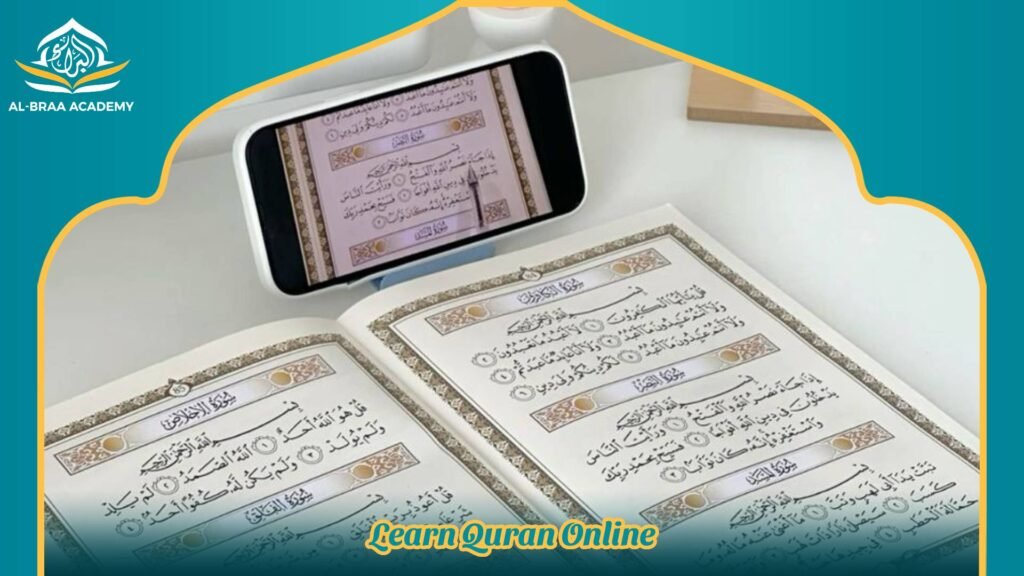
The benefits of being a hafiz go beyond memorizing the entire Quran. A Hafiz carries the words of Allah in their heart and builds a lasting relationship with the Quran through recitation, revision, reflection, and practice. Although completing Hifz represents a significant achievement, its true value also comes from preserving memorization and applying Quranic guidance in everyday life.
For Muslim families in the United States, the United Kingdom, and Canada, Quran memorization can help children maintain a meaningful connection with their faith while growing up in multicultural communities. Similarly, adults can pursue this goal at a pace that fits their daily responsibilities.
Understanding these rewards can encourage students and parents to approach Hifz with sincere intentions, patience, and a lifelong commitment to the Quran.
Earning the Reward of Learning and Reciting the Quran
One of the most important benefits of being a hafiz is the opportunity to devote time and effort to the words of Allah. Indeed, the Quran encourages believers to recite its verses and reflect on its message. Allah says:
“And we have certainly made the Quran easy for remembrance, so is there anyone who will remember?” (Quran 54:17)
Furthermore, the Prophet Muhammad (peace be upon him) said, “The best of you are those who learn the Quran and teach it” (Sahih al-Bukhari, 5027). This hadith highlights the value of learning and sharing Quranic knowledge. Therefore, Muslims should approach memorization with sincere intentions and a commitment to practice what they learn.
Strengthening Your Relationship with Allah
Regular memorization and revision encourage Muslims to spend more time with the Quran. As students revisit verses, they become increasingly familiar with Allah’s guidance. Moreover, they gain opportunities to reflect on their beliefs, decisions, and actions.
A strong relationship with Allah involves more than memorizing verses. It also requires sincerity, prayer, good character, and a genuine effort to follow Quranic teachings. For this reason, students should combine memorization with understanding. They can also explore how to understand quran word by word to connect familiar verses with their meanings.
Developing Patience, Discipline, and Consistency
Hifz requires long-term commitment and regular practice. Students memorize new passages, review earlier lessons, and correct their mistakes. As a result, they develop patience and self-discipline because steady effort produces meaningful progress.
For example, a student who memorizes a few verses daily learns to work toward a realistic goal. Furthermore, these benefits of being a hafiz can extend to schoolwork, university studies, and other responsibilities.
Families in Australia and New Zealand can organize Quran lessons around school, work, and family commitments. Therefore, a manageable schedule often works better than an ambitious routine that learners struggle to maintain.
Improving Quran Recitation and Pronunciation
Memorization requires more than remembering Quranic words. Students must also pronounce Arabic letters correctly and apply the relevant Tajweed rules. For example, regular practice helps learners recognize articulation points (Makharij), distinguish similar sounds, and improve their recitation.
In addition, a knowledgeable teacher can identify pronunciation mistakes and explain how to correct them. This guidance particularly helps English-speaking Muslims who rarely use Arabic in everyday conversations.
Families comparing online Quran learning vs. traditional learning should consider teacher feedback, lesson structure, travel time, and the learner’s need for individual support.
Contributing to the Preservation of the Quran
Another important aspect of being a Hafiz involves contributing to the preservation of the Quran through memorization and transmission. For generations, Muslims have memorized Allah’s words and passed their recitation to others. Consequently, each generation helps maintain this important Islamic tradition.
However, completing memorization does not mean students can stop revising. Without regular practice, learners may struggle to recall previously memorized passages. Therefore, every Hafiz should maintain a realistic revision schedule, listen carefully, and ask a knowledgeable teacher to correct uncertain passages.
Encouraging Quran Learning Within the Family
A parent or older sibling who regularly recites the Quran can inspire other family members to develop an interest in Islamic learning. Similarly, children who see their parents practicing Quran recitation may feel more motivated to memorize short surahs and improve their reading skills.
However, parents should encourage progress rather than compare children. Every child learns at a different pace. For instance, a child may demonstrate improvement through clearer pronunciation, better recall, increased confidence, or greater willingness to practice independently.
Parents can also explore signs your kid is progressing in Quran learning to recognize development and encourage children without creating unnecessary pressure.
For Muslim families in the UK and Ireland, shared recitation or a short family revision session can create a practical space for Islamic learning at home.
Sharing Quranic Knowledge with Others

A person who memorizes the Quran can encourage others to learn and recite it. However, effective teaching requires more than memorization. Teachers also need accurate knowledge, strong recitation skills, and the ability to explain lessons clearly.
The Prophet Muhammad (peace be upon him) emphasized the value of learning and teaching the Quran. Accordingly, a Hafiz who develops suitable teaching skills can help family members and other students improve their Quranic knowledge.
Sharing what one has learned represents another meaningful benefit of Hifz. Nevertheless, memorization alone does not qualify someone to issue religious rulings or teach every aspect of Tajweed.
Supporting Reflection and Mental Engagement
Quran memorization involves listening, repetition, concentration, and recall. These activities keep learners mentally engaged while giving them a meaningful learning goal. In addition, many Muslims find comfort in reciting and reflecting on verses about patience, gratitude, and hope.
For example, reflecting on verses about patience may encourage a Muslim to respond more thoughtfully to difficult situations. Similarly, remembering verses about gratitude can inspire appreciation for everyday blessings.
Nevertheless, students should approach Hifz primarily as an act of worship and learning, rather than as a guaranteed way to improve memory or treat a health condition.
Seeking the Honor Described for the Companion of the Quran
Islamic narrations highlight the virtue of maintaining a close relationship with the Quran. For example, a hadith reported in Sunan Abi Dawud (1464) describes the companion of the Quran being instructed to recite and ascend in rank.
This narration highlights the spiritual significance of memorization and encourages Muslims to maintain regular recitation. Furthermore, it reminds learners that completing Hifz should mark the beginning of a lifelong commitment rather than the end of their Quran journey.
Muslims should also remember that memorization alone does not guarantee a particular outcome in the Hereafter. Instead, sincere faith, righteous actions, and Allah’s mercy remain central to a believer’s hope.
Living by Quranic Values
The benefits of being a hafiz become especially meaningful when memorized verses influence everyday decisions. The Quran teaches honesty, mercy, justice, patience, gratitude, and responsibility. Therefore, Muslims should reflect on these values and apply them when dealing with family members, neighbors, colleagues, and the wider community.
For young Muslims growing up in the United States and Canada, understanding Quranic meanings can strengthen their connection with Islamic identity. Meanwhile, adults can continue religious learning alongside their professional and family responsibilities.
Ultimately, the true value of memorization appears when Muslims translate Quranic guidance into good character and meaningful actions.
How to Begin and Maintain a Hifz Routine
A realistic plan makes Quran memorization easier to manage. Instead of setting demanding targets, learners should follow practical steps that support steady progress.
- Set a sincere intention: Approach Hifz as an act of worship rather than a competition.
- Check your recitation: Learn the correct Arabic letter sounds and basic Tajweed rules before increasing your memorization target.
- Start small: Choose a manageable number of verses or a short passage.
- Listen and repeat: Follow a reliable reciter while reading the Quranic text.
- Revise regularly: Review previous lessons before adding substantial new material.
- Seek correction: Ask a knowledgeable teacher to identify mistakes that you may overlook.
- Adjust your schedule: Balance Quran learning with school, work, family, and rest.
Online Quran study can also help families who have limited access to local teachers. For example, parents exploring online Quran classes in uae or online Quran classes in Dubai should review the available teaching arrangements and confirm that lesson times suit their local schedules.
Frequently Asked Questions About the benefits of being a hafiz
Learning about the benefits of being a hafiz can help Muslims understand the spiritual rewards and practical value of Quran memorization in everyday life.
1. How long does it take to memorize the entire Quran?
There is no fixed timeline. It depends on the learner’s age, available study time, reading ability, memorization pace, and consistency of revision.
2. Can someone become a Hafiz as an adult?
Yes. Adults can begin or continue memorization at any age. A realistic schedule and regular revision can support steady progress.
3. Does a Hafiz need to revise after completing memorization?
Yes. Regular revision helps maintain recall and identify mistakes. It should remain part of a Hafiz’s ongoing relationship with the Quran.
4. Should children understand the Quran while memorizing it?
Age-appropriate explanations help children connect memorized verses with their meanings. The explanation should suit the child’s language skills and stage of development.
Begin Your Quran Learning Journey with Al Braa Quran Academy
The benefits of being a hafiz are not limited to completing a memorization target. They include building a lasting connection with the Quran, preserving what has been learned, and striving to apply its guidance with sincerity.
If you or your child would like to begin or continue Quran memorization, consider exploring Al Braa Quran Academy and asking about its current learning options, teaching arrangements, and schedules. Choose an approach that suits the learner’s level and daily routine, and take each step with patience and consistency.