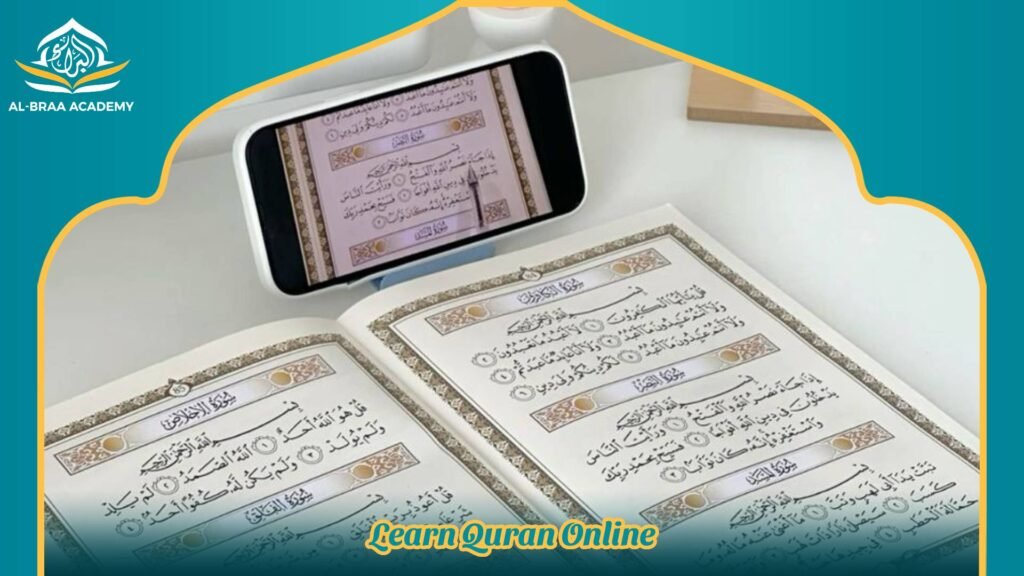
A part-time Hifz program offers a practical opportunity for children, teenagers, and adults to memorize the Holy Quran while managing their everyday responsibilities. Unlike intensive memorization schedules that require several hours of daily study, part-time learning allows students to progress gradually through manageable lessons, regular revision, and consistent teacher guidance.
For Muslim families in the United States, the United Kingdom, and Canada, balancing Quran education with school, work, and family commitments can be challenging. A flexible memorization plan makes it easier to maintain a meaningful connection with the Quran without placing unnecessary pressure on students.
The key to successful Hifz is not memorizing large portions quickly. Instead, students need a realistic routine that supports accurate recitation, long-term retention, and steady improvement.
What Is a Part-Time Hifz Program?
A part-time Hifz course is a structured Quran memorization arrangement that allows students to attend lessons on selected days of the week rather than following a full-time schedule.
Students usually work with a Quran teacher who introduces new verses, checks previous memorization, corrects pronunciation, and recommends revision exercises. The number of lessons and memorization targets can vary depending on the student’s age, current reading ability, and available time.
A well-organized part-time HIFZ program may include:
- New Quran memorization during scheduled lessons.
- Revision of previously memorized verses.
- Tajweed correction and pronunciation practice.
- Individual learning targets based on student ability.
- Regular assessments to monitor progress.
This approach makes Quran memorization more manageable, especially for students who have other educational or professional commitments.
Who Can Benefit from Part-Time Quran Memorization?
Part-time memorization is suitable for different age groups, provided that the learning plan reflects their individual needs.
School-Age Children
Children often have busy schedules involving school, homework, extracurricular activities, and family time. A flexible Hifz routine allows them to continue Quran education without overwhelming their daily responsibilities.
Parents can support their children by setting aside a consistent period for revision and encouraging them to practice without turning memorization into a source of stress.
Families can also learn about the signs your kid is progressing in quran learning by recognizing improvements in reading, pronunciation, confidence, and memorization.
Teenagers
Teenagers may want to memorize more of the Quran while preparing for examinations or participating in other activities. A manageable weekly schedule helps them maintain consistency and develop personal responsibility.
Working Adults
Adults may have limited free time because of employment and family responsibilities. However, they can still work toward meaningful memorization goals by choosing lesson times that fit their routines.
A part-time HIFZ program can provide the structure they need while allowing sufficient time for independent practice.
How to Organize a Successful Hifz Schedule?
A realistic schedule is one of the most important factors in successful Quran memorization. Students should avoid setting targets that are difficult to maintain over several months.
1. Set Realistic Weekly Targets
The amount a student memorizes should depend on their reading ability, concentration, and available practice time. Beginners may need to start with a few verses, while experienced learners might manage longer passages.
The teacher should evaluate progress regularly and adjust the targets when necessary.
2. Make Revision a Daily Habit
Memorizing new verses without reviewing previous portions can lead to forgetting. Even on days without scheduled lessons, students should spend some time revisiting what they have already learned.
A useful daily vs. weekly Quran revision strategy can help families organize revision without making the routine unnecessarily complicated.
3. Use Effective Memorization Methods
Repeating verses, listening to accurate recitation, dividing longer passages into smaller sections, and connecting related verses can support memorization.
Students can explore different Quran memorization technique and work with their teachers to identify the methods that suit their learning styles.
4. Maintain Proper Tajweed
Correct pronunciation should remain a priority throughout the memorization journey. Students need to understand the articulation of Arabic letters and apply appropriate Tajweed rules rather than memorizing verses with repeated pronunciation mistakes.
Teacher feedback is particularly important because some errors may be difficult for learners to recognize independently.
Choosing the Right Online Hifz Academy

Online Quran education gives families greater flexibility when arranging lessons around different time zones. However, choosing a suitable academy requires more than comparing schedules. Parents and adult learners should consider several factors:
- Teacher qualifications: Look for teachers with appropriate Quranic knowledge and experience in teaching memorization.
- Individual attention: One-to-one lessons can make it easier to identify mistakes and adjust the learning pace.
- Revision planning: A good learning arrangement should include regular revision, not just new memorization.
- Progress monitoring: Students should receive clear feedback about their strengths and areas requiring improvement.
- Flexible scheduling: Lesson times should accommodate school, work, and family commitments.
Al Braa Quran Academy provides online Quran education through individual lessons, flexible scheduling, and structured memorization support. Its Quran courses include recitation with Tajweed, Hifz, and regular revision, helping students work toward their learning goals at an appropriate pace.
For families considering a part-time HIFZ program, these features can make it easier to establish a consistent learning routine. Al Braa Quran Academy also offers male and female teachers, with instruction available in Arabic and English.
Spiritual Benefits of Consistent Quran Memorization
Memorizing the Quran is not simply an educational achievement. It can also encourage discipline, patience, reflection, and a stronger connection with Islamic teachings.
Students who maintain a regular routine may gradually develop better concentration and greater confidence in their recitation. They also gain an opportunity to reflect on the meanings of the verses they memorize.
Learning about the benefits of being a hafiz can help students understand the spiritual significance of this journey and appreciate the responsibility that comes with preserving the Quran.
Another important part of the experience is maintaining sincerity and asking Allah for guidance. Students and families can explore this dua for quran memorization as part of their regular learning routine.
Al Braa Quran Academy encourages students to approach Quran education with patience and consistency. Its individualized lessons can help learners develop their recitation and memorization skills while receiving guidance throughout their progress.
How to Stay Motivated During a Long-Term Hifz Journey
Memorizing the entire Quran can take considerable time, particularly when students have limited study hours. Therefore, motivation should come from recognizing gradual improvement rather than focusing only on the final goal.
Here are some practical suggestions:
- Celebrate small memorization milestones.
- Keep a record of completed portions.
- Listen to familiar recitations regularly.
- Review older portions before increasing new memorization.
- Ask the teacher for feedback when progress becomes difficult.
- Avoid comparing your progress with other students.
A sustainable part-time HIFZ program should leave enough room for rest, revision, and other responsibilities. Students who maintain realistic expectations are more likely to develop lasting learning habits.
Al Braa Quran Academy can be an option for families seeking personalized online Quran lessons. Prospective students can discuss their current level, available study hours, and memorization goals before choosing a suitable arrangement.
Frequently Asked Questions About Part-Time Hifz
This section answers common questions about part-time Hifz programs, helping students and parents understand the learning process, scheduling options, and ways to maintain consistent Quran memorization progress.
1. How many days a week should I study Hifz?
The number of weekly lessons depends on the student’s availability, learning level, and memorization goals. Two or three lessons per week may provide a starting point for some learners, alongside independent daily revision.
2. Can children memorize the Quran while attending regular school?
Yes. Children can combine school education with Quran memorization when their schedules include manageable lesson times, sufficient rest, and regular revision.
3. How long does it take to memorize the Quran part-time?
There is no fixed completion period. The time required depends on the student’s memorization speed, weekly study hours, previous knowledge, and ability to retain older portions.
Conclusion
A part-time approach makes Quran memorization more accessible for students who cannot commit to an intensive daily schedule. With realistic targets, qualified teacher guidance, proper Tajweed, and regular revision, learners can make meaningful progress while balancing their other responsibilities.
Choosing the right part-time HIFZ program is ultimately about finding a learning structure that supports consistency rather than rushing toward completion. Whether the student is a child, teenager, or adult, a manageable routine can help turn Quran memorization into a lasting part of everyday life.